The AI influencer playbook — when to use one, when to skip
AI-generated personas are a real tool for niche categories. They're also a fast way to torch your brand. Here's our decision framework.
AI influencers — fully generated personas that post, talk, and "perform" on social like a human creator — are no longer a gimmick. Lil Miquela has 2.6 million Instagram followers. Aitana Lopez landed real fashion-brand deals. In Asia, Imma and Rozy ship campaigns for Toyota and Samsung.
The question for ZoneRanker clients isn't can we make one. We can. The question is should we.
Here's the framework we use.
When an AI influencer is the right tool
You should consider an AI persona when at least two of these are true:
- You need always-on creative output — daily posts, weekly films, dozens of variants for paid testing. A human creator at this volume will burn out or cost a fortune.
- Your category is product-led, not personality-led — fintech, B2B SaaS, automotive accessories, smart-home, supplements. The creator is a presenter, not a confessor.
- You want multi-language reach without managing a creator roster — the same persona can speak Tamil, Hindi, English, and Arabic with consistent voice.
- You're operating in a regulated or sensitive space where you need precise script control on every post (financial advice, health claims, age-gated products).
- You have a clear brand world you want to inhabit — futurism, cyberpunk, retro-luxe, anime. The persona is a creative choice, not a budget cut.
When you should absolutely not
Skip the AI persona when:
- Your category depends on trust through transparency — therapy, coaching, legal services, mental health. The audience will figure it out, and the betrayal will cost more than the campaign earned.
- You want earned media or PR moments. AI influencers don't get magazine covers. They get backlash think-pieces.
- You're using one as a cost-cutting replacement for a real creator you already have a relationship with. The audience will smell it.
- Your legal and policy disclosure rails aren't set up. Most markets now require clear disclosure of AI-generated content. Don't ship without that workflow.
What a ZoneRanker AI persona looks like
When we do build one, the spec usually includes:
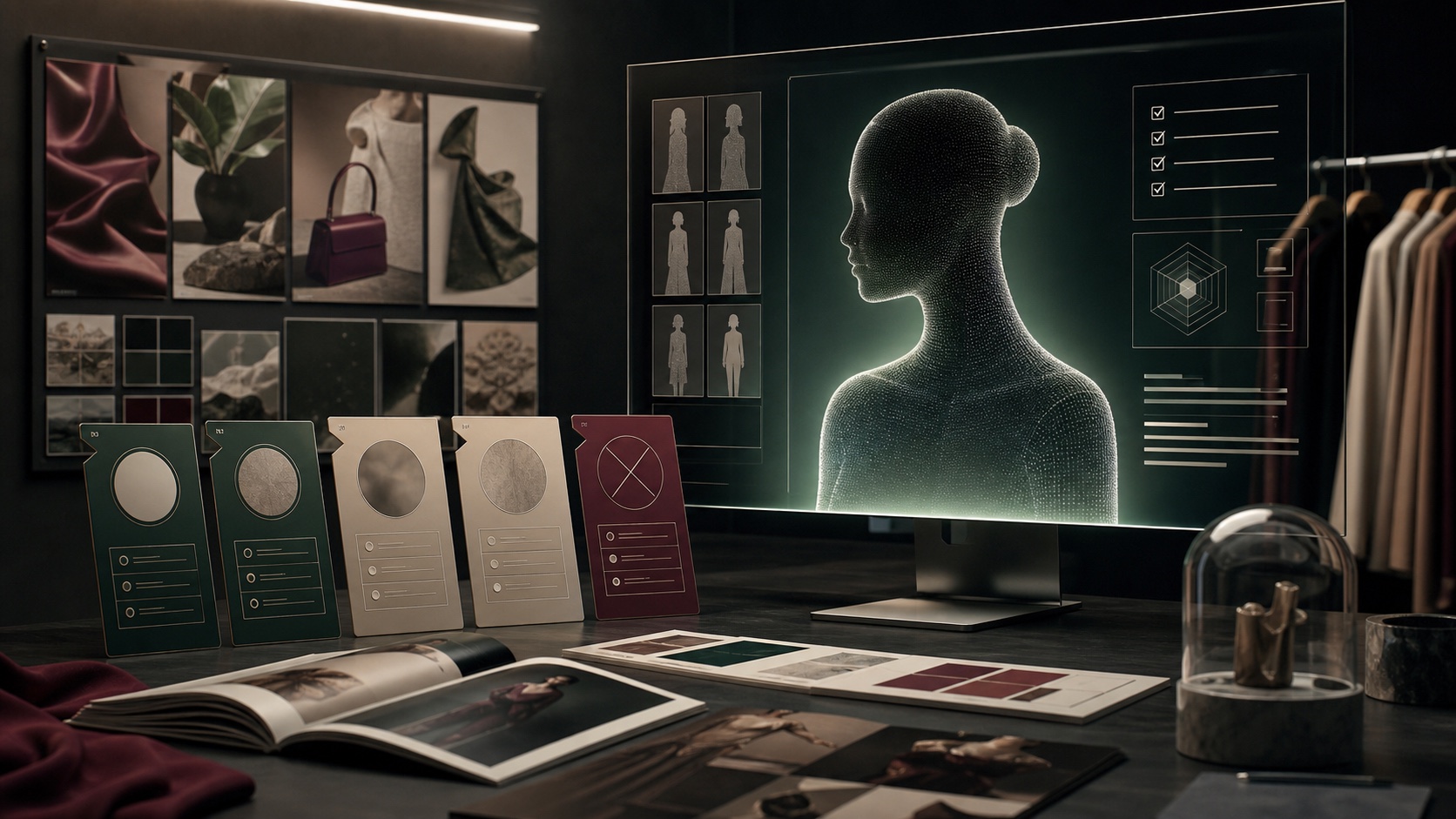
- A canonical look book — 30–50 reference frames, locked. Every output is checked against this. No drift.
- A voice clone trained on 30 minutes of real voice actor recordings — same person across every video, recognisable across platforms.
- A scripting standard — clear "we're not human" disclosure baked into the bio, plus campaign-specific disclaimers per platform's rules.
- A weekly publishing pipeline — 5–8 vertical videos per week, A/B-tested hooks, content calendar mapped to product launches.
- A retirement plan — when does the persona sunset? Always have one. Personas that drag on past their cultural moment become liabilities.
The honest bottom line
Most brands don't need an AI influencer. They need better content from real people, faster and at higher volume — which the rest of our AI video pipeline already delivers.
But for a specific kind of brand in a specific kind of category, an AI persona is the most cost-effective creative engine money can buy. We'll tell you straight which side you're on.
Want our honest read on whether your brand fits? Get in touch →